
No Show Without the Crew: The People the Audience Never Sees
The audience sees the artist. Behind every show is a team of skilled professionals who make it happen. Here's a look at the crew, and why they deserve more credit.
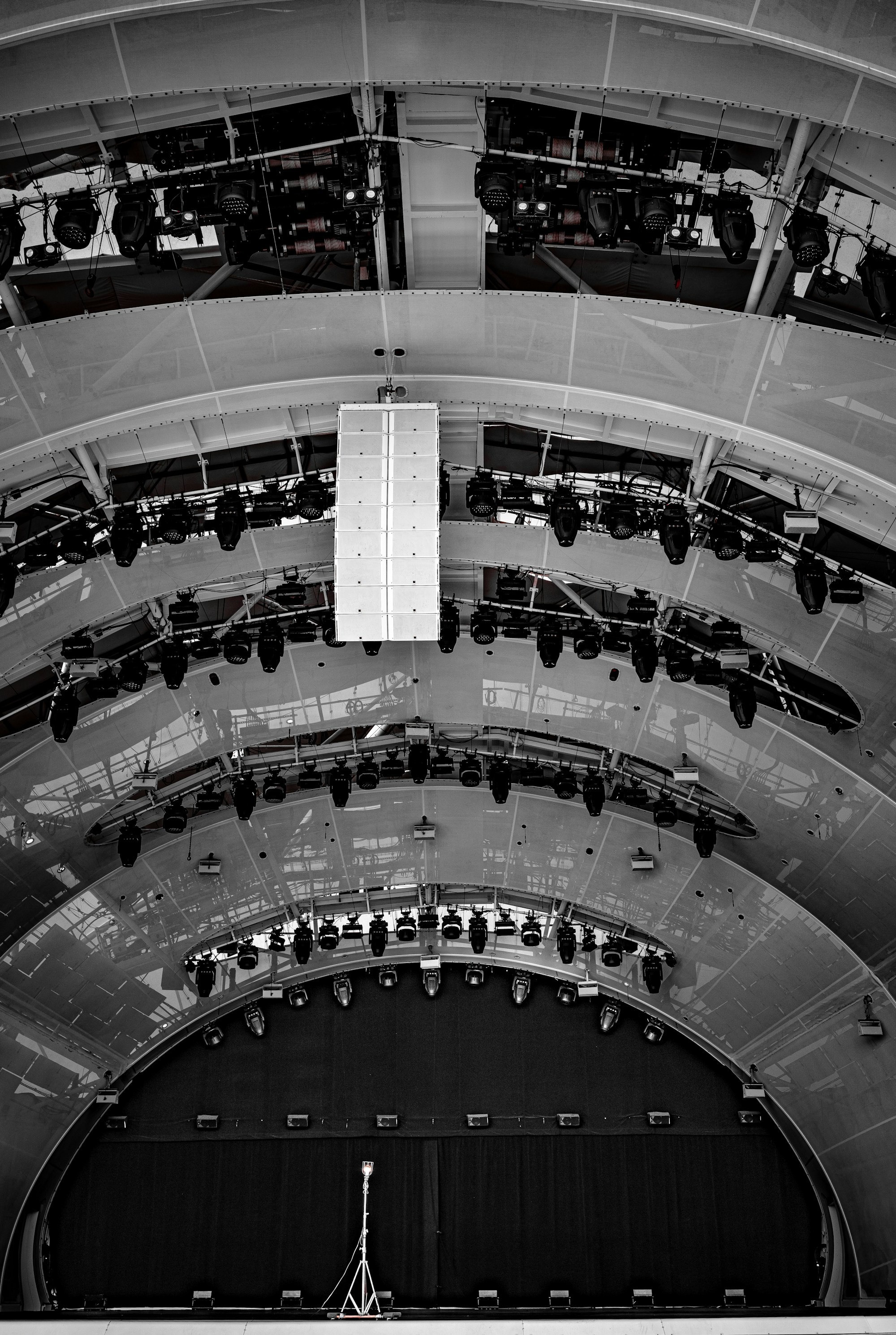
When the lights go down and the band walks on, the audience sees a handful of people on stage. What they don't see is the team that made that moment possible. People who arrived hours before the doors opened and will still be working long after the last fan has gone home.
I spent years publishing magazines for the pro audio and lighting community, and I came away with enormous respect for these people. Their skill, their problem-solving and their sheer endurance are what turn a stage into a show. There's a reason the saying goes: no show without the crew.
Who's behind the show
Every production is different, but here are some of the people you'll find behind a typical concert.
- Production manager. Plans the logistics of the whole show and keeps every department working together.
- Tour manager. Handles schedules, travel, hotels, money and the countless details of life on the road.
- Stage manager. Runs the stage during the show, keeps everything on time and calls the changes.
- Front of house engineer. Mixes the sound the audience hears.
- Monitor engineer. Mixes what the performers hear on stage, often the most critical mix in the building.
- Lighting designer and lighting techs. Create and run the look of the show, cue by cue.
- Video techs. Run the screens, cameras and projections.
- Backline techs. Set up, tune and maintain the instruments and amps, and fix problems mid-song.
- Riggers. Safely hang the lights, speakers and set pieces overhead.
- Stagehands. Load in, build, change over and load out, often in a matter of hours.
- Drivers, merch staff and venue crew. The people who get everyone there, sell the shirts and keep the building running.
What the job really looks like
Crew work is skilled, physical and relentless. A typical day can start at dawn with a load-in and end in the early morning hours after the trucks are packed. In between, the crew solves problems nobody in the audience ever knows existed: a power issue, a missing cable, a fixture that won't respond, a last-minute change to the set.
They work in the dark, under pressure and on tight deadlines. And when they do their jobs perfectly, nobody notices. That's the strange truth about crew work: the better you are, the more invisible you become.
A career, not a side gig
Many people still think of crew work as something you do until you find a real job. Nothing could be further from the truth. Today's crew members are trained professionals. Many studied in dedicated audio, lighting and production programs. They work with sophisticated technology and carry enormous responsibility for safety and for the experience of thousands of people.
For a lot of them, it's a lifelong career and a genuine calling.
How artists can show respect
- Learn the crew's names, and use them.
- Be on time for soundcheck. Their schedule depends on yours.
- Communicate clearly about what you need.
- Say thank you, every night.
- Credit them publicly, from the stage, in your posts and in your liner notes.
How audiences can show respect
- Give the people at the mixing desk room to work.
- Be patient during changeovers. A lot is happening fast.
- When you see a crew member after the show, tell them it was a great night. It means more than you think.
The bottom line
The artist may be the reason people buy a ticket, but the crew is the reason there's a show to see. They deserve the same respect, recognition and gratitude as anyone on that stage.
Next time the lights go down, take a moment to think about the people who put them up. No show without the crew.