
The Unofficial Dress Code of the Crew
Nobody hands crew members a dress code, but everyone in the business knows it. Here's what to wear when you work behind the scenes, and why it matters.
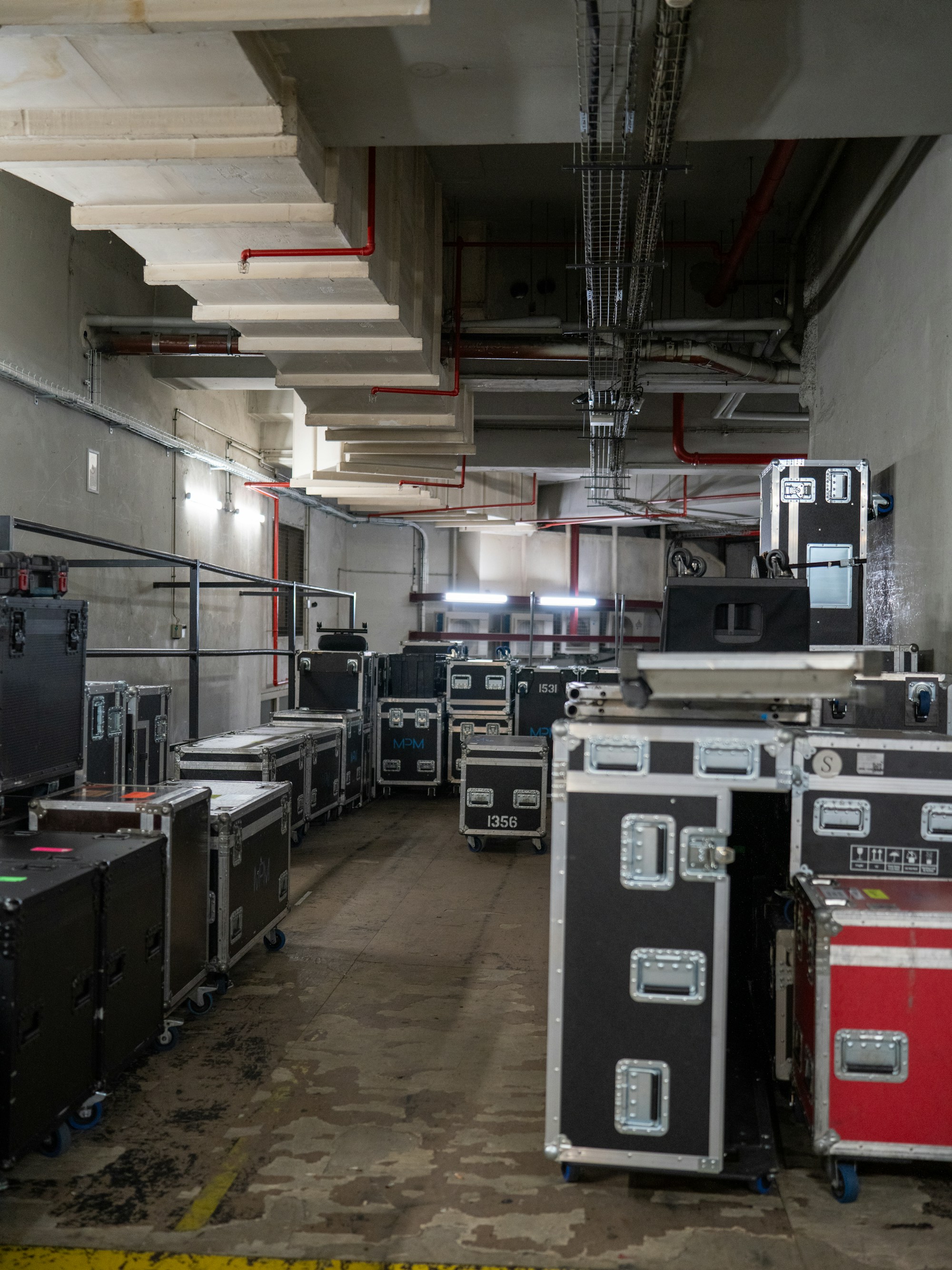
There's no rulebook taped to the loading dock door. Nobody emails you a dress code when you get hired. But walk into any venue on show day and you'll see it right away: the crew dresses a certain way, and they do it for good reasons.
If you're new to working behind the scenes, learning the unofficial dress code is one of the easiest ways to look like you belong, and to stay safe while you do it.
Rule one: wear blacks
"Blacks" is the standard uniform for crew in most venues. Black shirt, black pants, often black shoes. It isn't a fashion statement. It's practical.
- You disappear. Crew members often have to walk on stage during a show to fix a problem or change over equipment. Black keeps you out of the audience's eye.
- It doesn't reflect light. Bright colours and white can catch stage lighting and pull focus from the performance.
- It hides the dirt. Load-ins are dusty, greasy and grimy. Black holds up.
- It looks professional. A crew in matching blacks looks like a team that knows what it's doing.
Plain is best. Skip big logos, bright graphics and reflective prints, especially if there's any chance you'll be seen during the show.
Rule two: protect your feet
Road cases weigh hundreds of pounds. Stages are full of cables, ramps and things that can fall. Closed-toe, sturdy footwear is non-negotiable, and many crew members wear work boots with safety toes. They should be comfortable, too, because you'll be on your feet for 12 hours or more.
Never show up to a load-in in sandals or running shoes with thin soles.
Rule three: nothing that dangles
Loose clothing, scarves, long necklaces, dangling earrings and untied hoodie strings can catch on equipment, get pulled into moving parts, or snag at the worst possible moment. Tie back long hair. Keep it tight and simple.
Rule four: dress in layers
A venue can be freezing at 8 a.m. load-in, sweltering under the lights at 9 p.m., and cold again at the 1 a.m. load-out, especially if the doors are open to the trucks. Layers let you adjust all day without changing clothes.
Rule five: carry your tools on you
Crew clothing is built around what you need close at hand.
- A sturdy belt for a multitool, flashlight and tape
- Pants with plenty of pockets
- Work gloves, clipped to your belt when you're not wearing them
- Hearing protection, always within reach
- A small flashlight or headlamp for dark backstage areas
Rule six: wear your credentials properly
Your pass or laminate gets you where you need to go, and it's how security knows you belong. Keep it visible, but secure. A lanyard can catch on equipment, so many crew members clip theirs to a belt loop or pocket instead.
When the rules change
Not every crew call is the same. Outdoor festivals may call for hi-visibility vests, hard hats and rain gear. Corporate events may expect a more polished look, sometimes all black but dressier, or a specific shirt from the production company. Theatre crews often follow stricter rules about what can be seen from the house. When in doubt, ask the production or stage manager before the day of the show.
The bottom line
The crew dress code isn't about looking cool, though a good crew certainly does. It's about safety, practicality and professionalism. Wear blacks, protect your feet, keep it tight, dress in layers and carry what you need.
Do that, and you'll look like you belong backstage from your very first call.